

AMD & Perplexity bring local AI to Ryzen Windows PCs
Mon, 28th Sep 2026 (Today)
AMD and Perplexity have made Portable Computer available on supported Windows PCs with Ryzen AI Max Series processors. The software also supports the Ryzen AI Halo developer platform.
The move lets Perplexity subscribers run local AI tasks and recurring workflows on their own hardware through the Perplexity Windows app. Access is available to Pro and Max subscribers on individual and enterprise plans.
Supported systems can run large AI models directly on the device instead of sending every task to the cloud. That lets users analyse sensitive files locally and avoid using Perplexity Computer credits for local inference, AMD said.
Perplexity has combined local models with agent orchestration, scheduling and security controls. The setup is intended to spare users from assembling separate AI tools and infrastructure, while still allowing access to cloud-based reasoning and web research when needed.
The offering also connects with workplace software including Gmail, Outlook, Slack and GitHub. It includes folder-level permissions, sandboxing and IT controls intended to help businesses manage how local AI is used within existing workflows.
AMD has expanded its AI PC push over the past two years. The chipmaker introduced its first AI PCs in 2023 with a dedicated neural processing unit in an x86 processor, and has since broadened that strategy towards what it describes as agentic PCs that can run AI agents locally.
Ryzen AI Max processors combine CPU and GPU resources with shared memory, which AMD says allows local models to run alongside standard desktop applications. That could matter for users working with larger models on a conventional PC rather than shifting every process to remote data centres.
Local focus
The announcement reflects a broader effort by chipmakers and software companies to move more AI processing on to personal devices. Running models locally can offer lower latency and greater control over sensitive information, though cloud access remains part of many enterprise deployments for heavier reasoning tasks and web-connected research.
For Perplexity, the release extends its software from cloud-centred use into device-based workflows on Windows machines fitted with AMD's latest AI-focused processors. Perplexity positions Portable Computer as a way for users to automate repeated tasks and work with local files through an agent interface.
AMD said the combination is aimed at developers, creators and other professional users experimenting with agent-based software on PCs. The inclusion of the Ryzen AI Halo developer platform suggests the companies are also targeting people building and testing AI tools, not only end users adopting them in office settings.
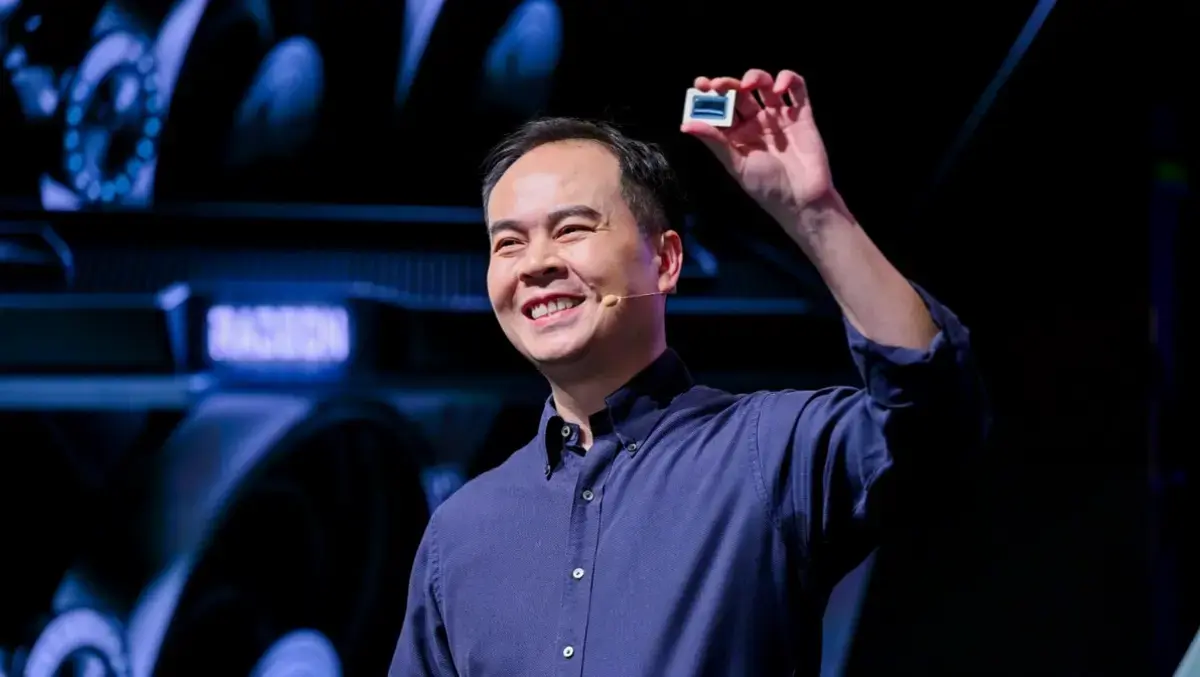
Jack Huynh, Senior Vice President and General Manager of AMD's Computing and Graphics Group, described the shift as part of a broader change in personal computing.
"We're entering a new era of computing, where personal AI transforms the PC from a tool into an intelligent partner. We're creating a new kind of agentic PC that can understand, reason and act alongside us," Huynh said.
He added that local and cloud AI would continue to sit alongside each other in the company's approach.
"With Perplexity Portable Computer running on systems powered by AMD Ryzen AI Max Series processors - including the AMD Ryzen AI Halo developer platform - powerful AI models and agents can run directly on the PC and work across the applications and workflows people use every day with the flexibility to run AI locally and tap into frontier-scale reasoning when needed. Together with Perplexity, we're redefining what the PC can be in the Personal AI Era: personal, powerful, open and intelligent by design. This is more than a new generation of PCs. It's a new generation of computing," Huynh said.
The release gives AMD another software partner as competition intensifies around AI-ready PCs and the practical uses of on-device models. It also gives Perplexity a route onto a class of Windows systems built specifically to handle heavier local AI workloads.