

Current rebrands to push AI-led tax work in accounting
Wed, 3rd Jun 2026%201.webp)
Crete Professionals Alliance has rebranded as Current, a name it says reflects its focus on helping independent accounting firms use artificial intelligence and shared resources.
Current works with almost 30 independent accounting firms across the US, employing more than 2,000 people and generating more than $500 million in annual revenue. That scale places it among the top 30 firms in the US accounting market, according to the group.
The organisation operates as a platform for local accounting firms that retain their own branding, leadership and equity while gaining access to shared services and technology. Backed by Thrive Holdings, it is positioning the model as an alternative to consolidation strategies that centralise control under a single brand.
At the centre of the rebrand is a push into AI-led tax work. Through its partnership with Thrive Holdings and OpenAI, Current launched Tax AI, a tool designed to support accountants during tax preparation.
The system processed 7,000 tax returns during the most recent tax season, according to Current. Participating firms recorded an average of 31 per cent reduction in tax preparation time and up to 98 per cent accuracy.
In one example cited by Current, an accountant who had spent 180 hours preparing returns in one year completed the work in 15 hours the next year using the tool. The time saved allowed that accountant to call every client and walk them through their return.
Ownership model
Current is also using the rebrand to highlight its ownership structure. Partner firms retain local control and ownership stakes in their businesses, while the platform provides shared services, technology and staff development.
The model is intended to appeal to firm owners who want to scale without sacrificing their identity. It also sets the group apart from traditional roll-up strategies in professional services, where acquisitions are often followed by tighter central control and cost-cutting.
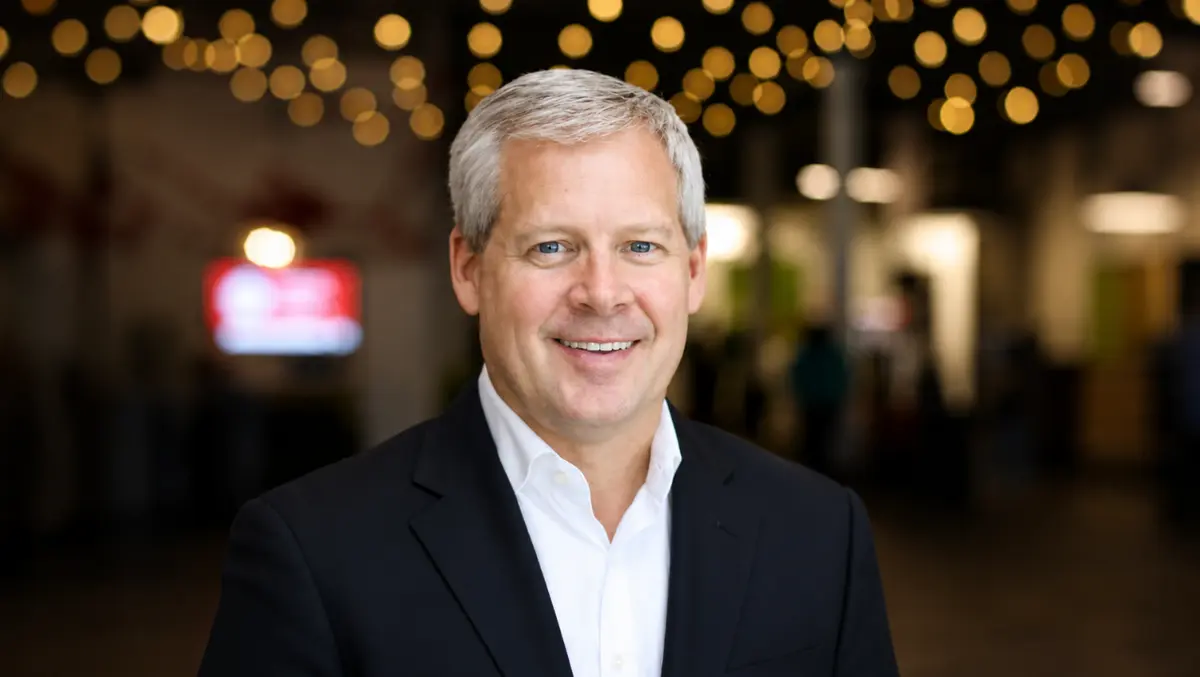
Steve Stagner, Chief Executive Officer of Current, framed the change as a response to a long-standing divide in the accounting market.
"There's an enormous gap in accounting between the transactional service most people get and the strategic partnership reserved for large companies and ultra-wealthy clients," Stagner said.
He said the divide had persisted because the largest accounting groups had long enjoyed far greater access to capital and technology than smaller firms.
"This gap has persisted because the largest accounting firms have had billions of dollars and entire technology departments for decades, while most have not. We're arming the rebels," Stagner said.
Current said it is investing not only in software but also in training staff across partner firms so they can use new systems to offer a wider range of services. The aim is to free accountants from routine preparation work and create more time for advisory work and direct client contact.
Early results
Larson Gross, a partner firm in Bellingham, Washington, was among the first to test Tax AI. Current pointed to the pilot as evidence that smaller firms can adopt new tools without losing the personal approach many clients still want.
"What started as a test engagement quickly became a much larger opportunity because Current's team delivered exactly what they promised," said Kelli Visser, Managing Partner of Larson Gross.
Current also cited findings from an independent survey it commissioned in April. According to Current's survey, 65% of accounting firm clients said AI would improve their perception of the firm, while 75% said they still preferred personal interaction over automated experiences.
Those findings support the company's broader argument that automation should support, rather than replace, client relationships. The next stage, it said, is to extend adoption of Tax AI across the rest of its portfolio.
Stagner said that the approach requires a long-term investment horizon rather than a short-term focus on extracting savings.
"The roll-up playbook is often cost extraction on a deadline," he said.
He contrasted that with Current's structure and investor backing.
"Current's holding period is effectively forever, which allows us to make investments in people in ways many short-hold owners wouldn't. We're focused on transformative topline growth," Stagner said.
Current said it now has a presence across all four corners of the US. Its platform is designed to support firms working across tax, audit and client Current's services while preserving local Current's and client relationships.