

Google launches BigQuery Graph for AI & fraud checks
Mon, 7th Sep 2026.webp)
Google has made BigQuery Graph generally available, bringing graph analysis into its BigQuery data warehouse.
The product lets users run graph queries alongside SQL in BigQuery without moving data to a separate graph database. It uses the ISO-standard Graph Query Language, or GQL, and supports graph traversals in the same environment as existing data analysis and machine learning functions.
The move reflects growing demand for tools that analyse links between entities rather than rows in isolation. Such queries are used in fraud checks, cyber threat investigations, supply chain mapping, identity resolution, and knowledge graphs for AI systems.
The general availability release includes changes intended to speed graph processing and broaden the kinds of queries users can write. It also adds features for AI agents that need to query graphs, build them from existing data, and keep records of their actions.
One change is support for what Google calls a borderless Lakehouse model. This allows a single BigQuery Graph to span native BigQuery tables and open Iceberg tables in other cloud environments, including through Databricks Unity Catalog, AWS Glue, and Snowflake, without copying data into one place.
The setup is aimed at cases where the information needed for a query sits across multiple clouds. In one example, a support query could connect customer records in one environment with product and supplier data stored elsewhere through a single graph traversal.
Customer Uses
Google pointed to adoption across security, financial services, manufacturing, logistics, advertising, retail, telecommunications, and enterprise IT. Customers have used the tool for threat and fraud detection, digital twins for supply chains, Customer 360 projects, knowledge graphs for AI grounding, and network lineage analysis.
"BigQuery Graph has been a game-changer for our threat detection pipeline, allowing us to move beyond simple, siloed alerts. By modeling our security signal data as a property graph, we can now perform complex, multi-hop traversals in seconds - something that was previously computationally prohibitive. This graph-centric approach automatically clusters anomalies into coherent attack stories, which, combined with the seamless integration of Gemini models, helps us generate actionable threat narratives. We look forward to integrating native BigQuery Graph algorithms to further streamline our workflows," said Pete Rubio, VP of Global Engineering, Thales Cybersecurity Products.
Yahoo is also using the service in advertising and monetisation workloads.
"Advertising has spent decades optimizing individual events; the agentic era will optimize the relationships between them. At Yahoo, BigQuery Graph gives our AI agents connected context - campaigns, audiences, exposures, and outcomes, traversable with standard GQL right where our monetization data already lives, with no separate graph engine and no data movement. Our agents don't just read the graph; they reason over it and write their conclusions back as new relationships. That's how monetization moves beyond automation, to autonomous systems we can trust to act," said Bhatt.
Google said performance has improved since the preview release. According to the company, GQL is twice as fast on public benchmarks as it was in preview, while undirected traversal is 100 times faster, with changes to cycle detection in acyclic and trail path modes.
The release also adds a CALL statement and broader subquery support, allowing users to break a graph question into smaller parts or call reusable named functions. This approach can also help AI agents use analyst-written functions as tools.
AI Focus
A large part of the launch centres on AI use cases. Google has added conversational analytics so users can query a graph in natural language, with the system translating questions into SQL or GQL and visualising traversals for path-based results.
Graph metadata such as descriptions and synonyms can help interpret user questions. BigQuery Graph can also be connected to Gemini Enterprise through an MCP server or a published conversational data agent.
Google is also positioning the product as a way to build graphs, not just query them. A graph-focused agent skill can assist with pattern matching, combining graph and SQL analysis, and schema design. Another function, now rolling out, proposes nodes and edges from a dataset, model document, or entity relationship diagram, with relationship verification based on match rates in the data.
Another feature, context graph in BigQuery Agent Analytics, records agent actions as a queryable graph inside BigQuery Graph. It is designed to let organisations trace decisions, policies, and rejected alternatives when reviewing how an AI agent acted.
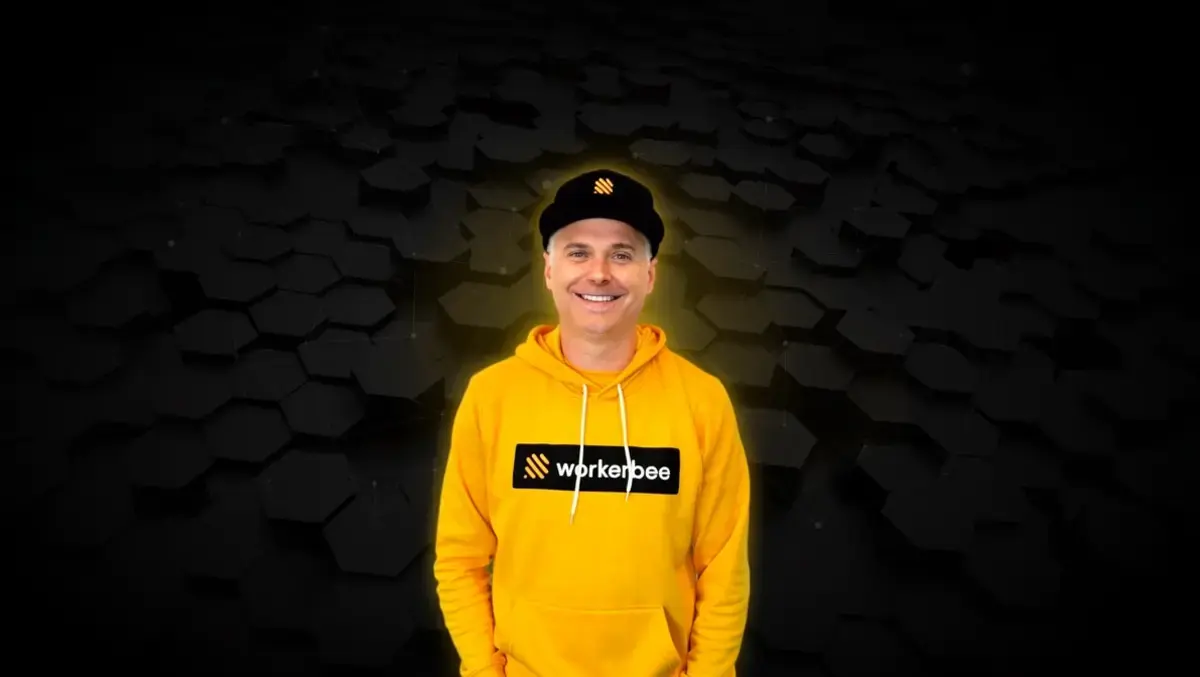
"Companies have plenty of workforce data, but very little shared understanding of what their people can do or where they fit. BigQuery Graph lets us turn that scattered information into a reusable property graph and traverse connections across people, roles, capabilities, and evidence at scale, so the same connected workforce context can support thousands of decisions instead of being recreated one decision at a time. That gives AI a stronger foundation for much harder questions about how work should get done," said Heiko Roth, Founder and CEO, Workerbee.