


Integral Ad Science has become one of the first media quality partners for ChatGPT Ads, providing independent brand safety and suitability measurement for advertisers using the service.
The move brings third-party verification into a new advertising environment as marketers test conversational AI as a media channel.
Advertisers in the closed pilot will receive reporting on how ads in ChatGPT align with IAS's brand safety and suitability taxonomy categories. The measurement is intended to help marketers assess the channel within broader media plans and monitor media quality over time as AI-native environments develop.
The pilot is limited to a select group of advertisers. At launch, the integration is available only in the US.
New ad setting
The agreement addresses a key question for advertisers as generative AI services begin to carry paid placements. Brand safety tools are well established across the open web, connected television and social media, but conversational AI introduces different risks because content is generated dynamically and interactions vary by prompt.
That creates a challenge for large brands that rely on external verification to judge whether media placements meet internal standards. Independent measurement is now a routine part of digital advertising, especially for marketers seeking comparable reporting across multiple channels.
IAS said its work with ChatGPT Ads is part of a broader effort to build what it describes as trust infrastructure for advertising in the AI era. It presents the integration as a way to give advertisers the same level of transparency they expect elsewhere in digital media.
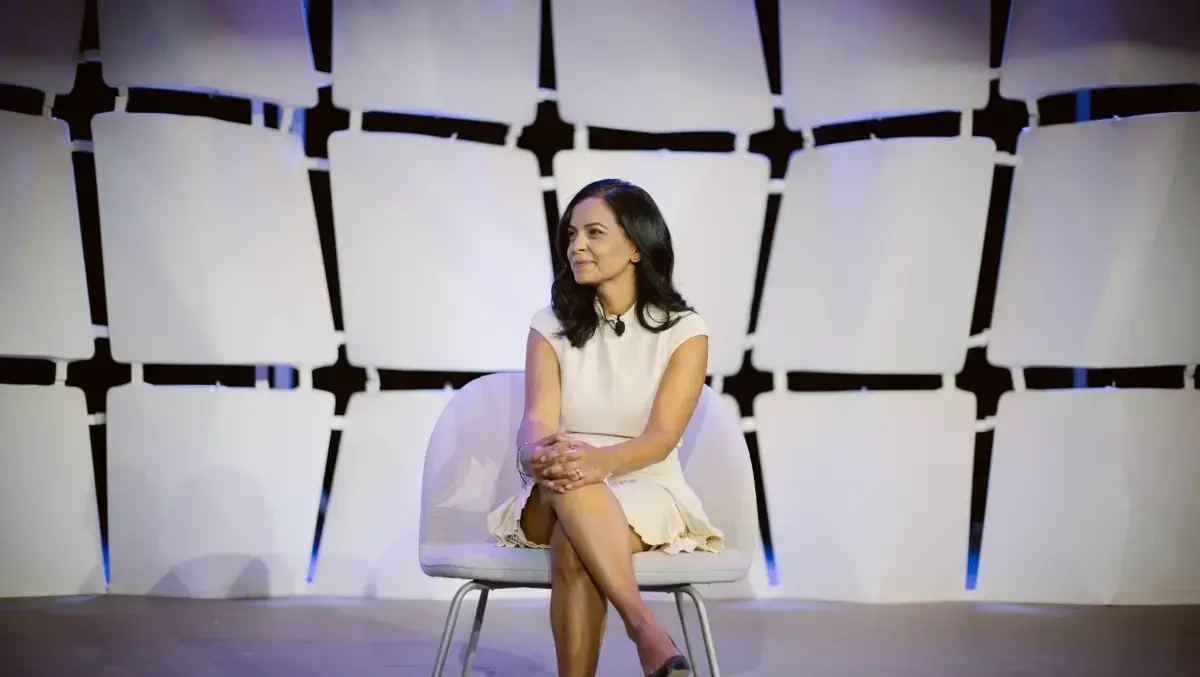
Lidiane Jones, Chief Executive Officer of Integral Ad Science, said the development reflects a wider need for verification as large language model platforms become more important to marketers.
"Sustainable growth in AI advertising depends entirely on a foundation of digital trust," said Lidiane Jones, Chief Executive Officer, Integral Ad Science.
"As LLM platforms become essential consumer touchpoints, establishing robust third-party verification ensures marketers can confidently engage in AI-native experiences while upholding the highest standards of brand protection," Jones said.
Early market
The launch underlines how quickly ad technology suppliers are adapting to commercial products built on generative AI. As conversational interfaces move beyond search and customer support into discovery and recommendation, media buyers are starting to treat them as a distinct environment rather than an extension of existing display or search inventory.
For ad verification groups, that shift opens a new area of competition. Their role has traditionally centred on measuring viewability, invalid traffic and brand safety across websites, apps, video and streaming platforms. In AI-generated settings, the emphasis shifts to classifying surrounding content and assessing whether ad placements appear in contexts that fit a brand's tolerance for risk.
IAS did not disclose the advertisers in the pilot or provide technical details on how measurement is applied inside ChatGPT Ads, beyond saying advertisers will receive independent reporting through its systems.
The company described three main uses for the reporting: understanding brand safety and suitability in AI-native environments, evaluating ChatGPT Ads as part of a wider media strategy, and tracking media quality over time as classification in AI environments evolves.
The announcement suggests standards used in established digital channels are starting to carry over into AI-led advertising products. That could prove important for agencies and large consumer brands, which often require third-party checks before increasing spending in newer formats.
For OpenAI and other operators of conversational platforms, outside measurement could also become a practical condition for attracting larger advertising budgets. Many major marketers have been reluctant to expand in new channels until they can compare performance and risk controls with tools already used across the rest of their media buying.
IAS said wider availability is planned after the pilot phase, though it did not provide a timetable.