

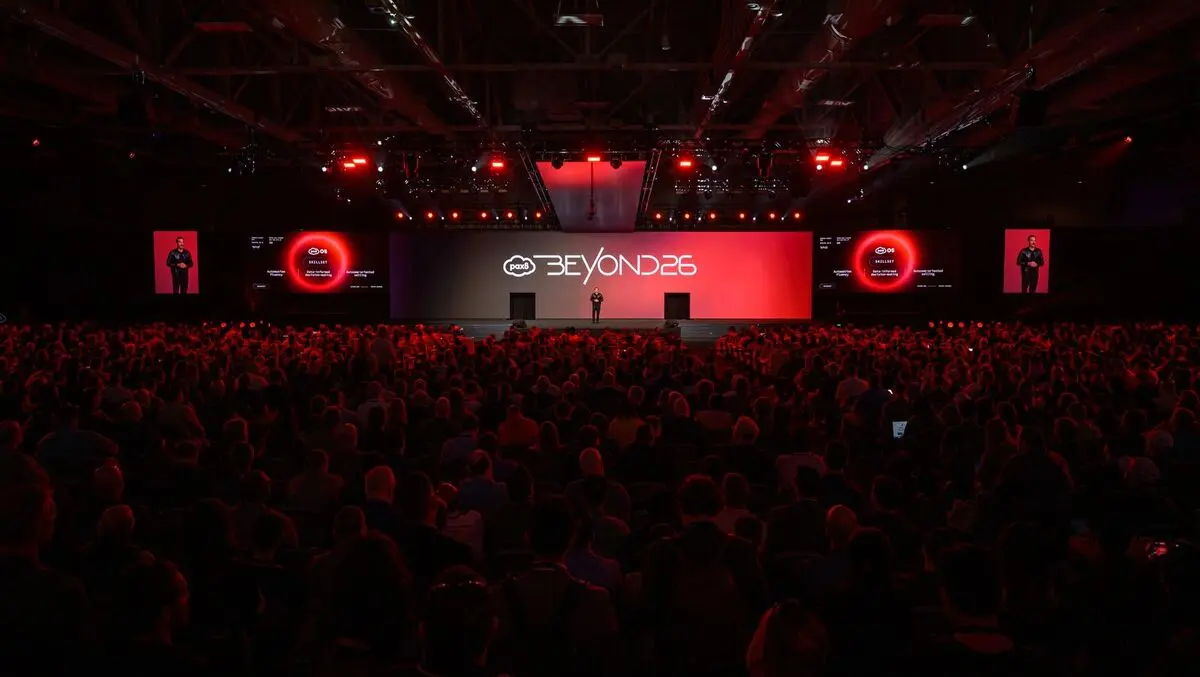
Pax8 says AI could remake SMB service provider model
Mon, 8th Jun 2026
Pax8 has published a report on AI adoption among small and medium-sized businesses, arguing that AI is weakening the traditional link between revenue growth and headcount.
The study says many smaller businesses are using AI tools but have not yet integrated them deeply into day-to-day operations. Pax8 argues that this gap creates an opening for IT providers to take on a broader advisory and operational role within customer organisations.
The company describes that shift as a move away from the traditional managed service provider model towards what it calls a managed intelligence provider. In that model, technology advisers would oversee AI workflows, governance and deployment rather than focus mainly on maintaining systems.
It argues that the economic case for deeper adoption strengthens as businesses move beyond initial experimentation. Pax8 cited figures showing a roughly 45% uplift in profitability when businesses move from basic to intermediate AI adoption, and about 111% when they progress from intermediate use to full integration.
Its findings also point to competitive pressure on smaller firms. According to Pax8's SMB technology research, 62% of SMBs agree that without AI their business will not remain competitive within three years, while 74% believe the technology helps them compete with larger companies.
Productivity gains
The report links those pressures to broader productivity changes. Pax8 said US labour productivity has risen from 1.43% to 2.16% a year since late 2022, which it described as the fastest pace since the early internet economy. It also said generative AI reached 53% population-level adoption within three years of entering the mass market.
Pax8 also cited an estimate that annual US consumer surplus from generative AI had reached USD $172 billion by early 2026. It presents those data points as evidence that AI is already affecting the wider economy rather than remaining confined to pilot projects.
Despite that momentum, the report says most SMBs are still at an early stage. Many organisations have adopted AI tools in isolated ways, but have not changed workflows, governance or operating models enough to secure broader gains.
Pax8 says that lag is one reason outside advisers are likely to play a larger role. Its SMB research found that 84% of smaller businesses would trust an external technology adviser to guide AI implementation, while 70% said outside partnerships are necessary to benefit fully from AI.
Scott Chasin, Chief Executive Officer at Pax8, set out the company's view of the market shift. "AI is leveling the playing field between small businesses and the enterprise," Chasin said.
"SMBs can scale with intelligence at unprecedented rates. But that advantage only materialises when it's deployed, governed and operationalised. That's the role of the managed intelligence provider (MIP). It's how they become essential and it's how they win," he said.
Security risks
The report also stresses that increased automation brings greater exposure to cyber risk. Pax8 said each AI agent and automated workflow broadens the attack surface even as it raises output.
It cited industry data showing AI-driven cyberattacks rose 89% year on year in 2025, with average breakout times falling to 29 minutes. At the same time, 49% of SMBs have no formal AI-specific security policies, despite 83% recognising that AI has increased their threat exposure.
That mismatch between adoption and protection is central to Pax8's argument that service providers will need to do more than install software. Governance, policy-setting and oversight are likely to become part of routine technology support if AI use continues to spread through smaller businesses.
Revenue options
Pax8 said AI-related services in the managed services sector are growing at 59% a year, compared with 13% for traditional managed services. The report says that gap is already changing the economics of the channel.
To capture that demand, it highlighted three near-term opportunities for providers. The first is AI governance audits aimed at identifying unapproved or poorly controlled AI use within client environments and setting policy before incidents occur.
The second is the use of industry-specific AI workflow packages instead of broad horizontal platforms. Pax8 said narrower, well-defined use cases can move from pilot to production more quickly when scope and controls are clearly set out.
The third is to start with back-office functions, where data and systems are often already structured, before expanding AI agents into other parts of the business once trust and evidence have been established.
Pax8 said more than 47,000 IT partners and 800,000 SMBs use its marketplace. The report places those customers and partners at the centre of what it describes as a broader reordering of the relationship between software vendors, service providers and smaller businesses.