

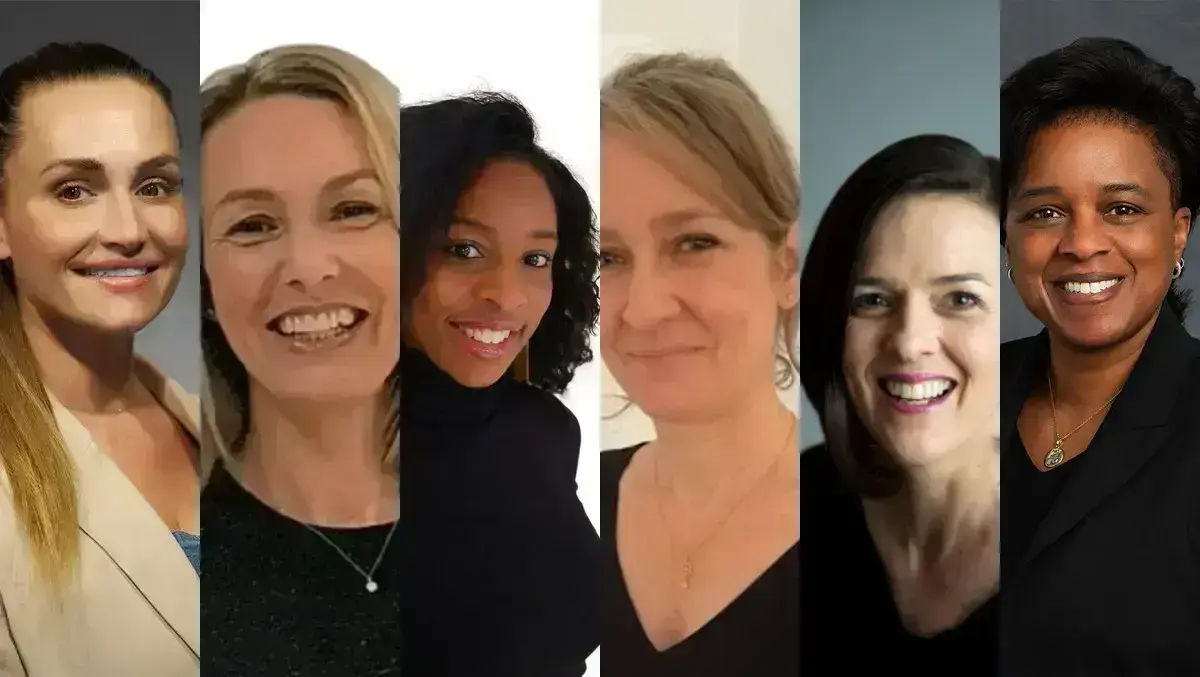

Technology and business leaders are using Women's Equality Day to call for structural change in how companies recruit, develop and assess women at work. Senior executives from software, infrastructure and telecoms providers warn that current approaches leave persistent gaps in representation and progression.
The calls come as women remain under-represented in technology roles worldwide and as artificial intelligence reshapes many jobs. Industry figures say employers must address both pipeline issues and the way organisations value different leadership styles and skills.
STEM pathways
For many women in technical fields, early exposure and visible role models remain crucial. Nicole Colehamer, Head of Global Solutions Architecture at Vonage, said many girls and women still struggle to see a place for themselves in science and technology careers, linking this to narrow ideas about who succeeds in such roles.
Colehamer said companies need to reframe what technical success looks like. In modern engineering teams, curiosity, communication and creativity matter alongside formal qualifications and experience.
"Women's Equality Day is a reminder of how important it is to help more women and girls see a future for themselves in STEM. That starts with showing them that there is no single path into technology and no one type of person who succeeds in the field.
"Some of the qualities that make people successful in technical careers are curiosity, creativity, communication and a willingness to keep learning. We need to help women recognise that the skills and perspectives they already have can be valuable in STEM, even if they have not always pictured themselves in a technical role.
"Those of us already working in technology also have a role to play. We can mentor women, encourage them to pursue opportunities and help make technical careers feel more accessible. Sometimes a simple vote of confidence can make a meaningful difference, especially for someone who is still figuring out where she belongs.
"The more women see other women solving complex problems, building technology and leading technical teams, the easier it becomes to imagine themselves doing the same. My message to women considering STEM is to stay curious, ask questions and give yourself permission to learn as you go. You do not need to have every answer before you begin," said Nicole Colehamer, Head of Global Solutions Architecture at Vonage.
Representation remains a challenge across the global technology workforce. Estelle Azemard, Chief Executive Officer at Leaseweb Canada, pointed to data on women's share of roles in the sector and said progress requires collective responsibility rather than relying on women alone.
"Today, just 26.7% of the global tech workforce are women. That's not an opinion - it's a fact, and it's the result of decades of education, social conditioning, and systems that we all, women included, sometimes reproduce without realising it. Equality isn't women's responsibility alone. It's everyone's work - men and women together," said Estelle Azemard, Chief Executive Officer at Leaseweb Canada.
Leadership gaps
Within organisations, the qualities employers value in leaders remain a live debate. Several executives said definitions of strong leadership still reflect older corporate cultures and can sideline traits more often associated with women.
"Too many organisations still undervalue qualities traditionally associated with women in the way they define strong leadership. Empathy and emotional awareness can be overshadowed by harder, more purely results-driven ideas of what authority should look like. Earlier in my career, I felt pressure to minimise some of my own softness in order to be taken seriously. With experience, I came to see how valuable those qualities are in shaping how well you understand people and how effectively you bring them with you.
"The problem is that these capabilities are still far less visible in the way organisations assess leadership. We tend to measure technical performance and formal responsibilities clearly, while the skills that shape how well someone understands and leads people are developed far less consistently. That can disadvantage women when qualities they naturally bring to leadership are treated as secondary or simply go unrecognised. If those strengths are never formally valued, they can easily disappear from conversations about progression and potential.
"Businesses need to broaden their definition of leadership and invest more seriously in developing these capabilities across the workforce. That is what I would like to see change for Women's Equality Day - moving beyond simply acknowledging the lack of women in senior leadership to ask why that gap persists and to put training and initiatives in place that develop soft skills and recognise their value. Women should be able to progress because of the full range of strengths they bring, rather than feeling they need to leave some of themselves behind," said Charis Thomas, Chief Product Officer at Aqilla.
AI impact
Artificial intelligence is another concern. Some leaders see AI reshaping roles and career paths in ways that could deepen existing inequalities if firms do not update training and development frameworks.
"AI is rapidly reshaping the workplace and creating significant opportunities for organisations and individuals alike. However, as adoption accelerates, we must be mindful of the unintended consequences it can have on different groups within the workforce. Research suggests that women could be disproportionately impacted by AI-driven changes, particularly in sectors such as technology where representation is already a challenge. That is a gap businesses cannot afford to ignore.
"Women's Equality Day provides an important opportunity to reflect on how we create equitable access to opportunity, development and progression in an evolving workplace. This is especially relevant for professionals returning to work after a career break, many of whom are women who have taken time away from their careers for childcare, maternity leave or caring responsibilities. With technology advancing at an unprecedented pace, returning to the workplace can feel daunting, and it's understandable that some individuals may question whether their skills, knowledge or confidence have kept pace with change.
"The responsibility sits with employers to ensure AI becomes an enabler, not another barrier to progression. Used well, AI has the potential to accelerate learning, support career development and help individuals rebuild capability and confidence more quickly. The organisations that succeed will be those that invest not only in the technology itself, but also in the people who will use it.
"At Node4, we're focused on ensuring innovation and inclusion go hand in hand. Through initiatives such as our 4Women programme, mentoring opportunities, leadership development pathways and targeted support for individuals returning to work, we're working to create an environment where everyone can build the skills and confidence needed to thrive in an AI-enabled future. We're embedding AI learning across our workforce, helping our people understand how these tools can support their growth rather than replace it.
"The future of work should be shaped by opportunity, not inequality. By taking deliberate action now, businesses can help ensure AI becomes a force for greater inclusion, opening doors for more women to build successful and sustainable careers in technology," said Victoria Knight, Chief People Officer at Node4.
Workplace action
Other executives stressed the need for organisations to move beyond statements of intent. They pointed to measures including pay audits, changes to recruitment processes and clearer paths to promotion.
"Despite progress over the last 50 years, women still face major workplace barriers. Though a few companies lead the way, most lack female leaders. This is especially true in sectors like technology. Women also face quiet, everyday biases about their skills and potential. Talking about equality is easy, but real change takes action. Companies must move past good intentions to make lasting progress.
"First, businesses must review pay structures regularly to ensure fair compensation across all roles. Second, hiring managers need to change their habits to remove hidden bias from recruitment. Third, organizations should establish clear, honest pathways for career growth and promotion.
"Leaders must actively create environments where women can thrive. Offering flexible hours and equal parental leave helps women stay on their career paths through life transitions. Providing mentorship, networking and public speaking training also builds real confidence for future leadership roles. Equality cannot rest on a single HR person or department. Every leader must share this duty. True fairness requires daily effort, clear goals and shared responsibility across the entire organization. When businesses build truly inclusive spaces, everyone wins," said Nicola Kinsella, SVP Global Marketing at Fluent Commerce.
Some leaders also framed their contribution in personal terms. Their approaches to advocacy differ, but all emphasised the importance of providing visible evidence of women's success in senior roles.
"I think my role as a woman and visible minority is just to show up, do the work, produce the results and create the reference point for women in business. Other women are activists, that is their role. It's not mine. Women need to be true to themselves in their narrative supporting women, it's the only way to sustain it over a career. You'll exhaust yourself if you put on a skin that is false to who you are. We all have roles to play. Play it well and create the proof points for those around us," said Susan Odle, Chief Executive Officer at StorMagic.