AI Adoption stories
Banks are under pressure to speed onboarding and tighten fraud controls as more institutions move AI from trials into daily business banking use.
Storage and cloud fees are eroding education AI returns, even as 46% of institutions plan bigger budgets this year.
The move gives enterprises a single control layer for monitoring sensitive prompts, responses and workflows as AI use shifts into daily operations.
Security teams will gain continuous oversight of Claude use as Netskope brings the AI assistant under existing compliance and data-loss rules.
Fresh funding is prompting Bedrock Data to strengthen its leadership team as enterprises rush for better controls over sensitive information in AI systems.
Live AI agents are most often used in narrow front-line tasks, with sector differences exposing gaps in off-hours cover and handovers to staff.
Security teams gain real-time control over what AI assistants can retrieve from Microsoft 365 and Google Workspace, closing a policy gap.
Production data from hundreds of enterprise customers shows AI agents are handling only a few high-volume workflows, reshaping deployment priorities.
Independent testing suggests enterprise AI can be deployed without exposed inbound ports, easing security concerns for firms handling sensitive data.
Many firms lack visibility over AI-written software, raising maintainability and security risks as adoption of coding assistants accelerates.
A GoTo survey finds many workers fear heavy AI use is eroding skills, while poor training and weak oversight are fuelling risks.
Employers may be underestimating training needs, as a survey found employees far less confident than HR leaders about AI readiness across Asia-Pacific.
The tie-up aims to let law firms and in-house teams ground AI-assisted drafting and research in their own precedents and knowhow.
The platform is aimed at regulated industries and sensitive data users, with on-premise and air-gapped deployment to keep control in-house.
Organisations using AI assistants face growing compliance risk as Proofpoint folds Claude activity into existing data loss prevention and governance controls.
The province wants faster diagnoses and lighter admin burdens as the new lab pushes locally built AI into frontline care.
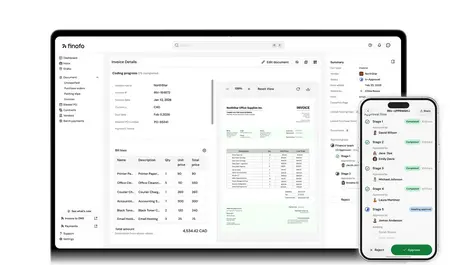
Canadian mid-sized firms processing 200-plus invoices a month could cut AP costs and cycle times sharply as Finofo folds tasks into one workflow.
Businesses now need AI that fits into managed processes, as speed alone can create fragmentation and weaken oversight across customer-facing work.
Smaller firms risk being left behind unless ministers back AI infrastructure, training and accessible support, the body said.
Large firms face mounting execution risk as weak governance, legacy systems and poor change management threaten to derail AI spending.