Authentication stories
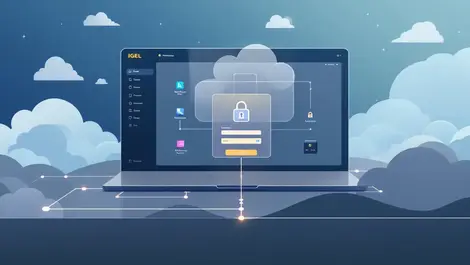
The tie-up gives IGEL OS customers another way to reach physical, virtual and cloud-hosted desktops without overhauling their end-user computing stack.
Merchants and payment firms will now test AI-initiated card transactions under a common framework as Visa widens its European programme.
Developers may cut glue code and maintenance costs as the Warsaw-based platform reaches production use after alpha and beta testing.
The Swedish company will use the cash to widen access to its AI cloud infrastructure and add more links to generative AI tools and large language models.
The deal expands HID's workplace identity tools as demand rises for secure print release in hybrid offices and shared-device environments.
The Melbourne-based firm is prioritising secure, data-driven tools as customers weigh productivity gains against the risks of exposing sensitive information.
Developers can now protect sensitive SQL Server data on the client side after the update adds Always Encrypted support to SDAC and UniDAC.
The plugin gives coding agents live Google Cloud documentation, reducing errors and blocking billable changes until users approve them.
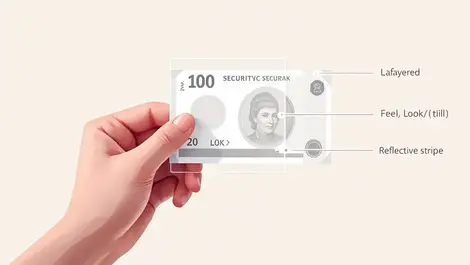
Consumers can spot fakes by feeling, looking and tilting notes, as modern banknotes rely on layered features to deter counterfeiting.
Four in five consumers in Australia and New Zealand say they would abandon a site if forced to create an account before seeing key information.
AI is helping firms cut bounce rates, spot fraud and recheck stale addresses, but it still cannot prove a mailbox is live.
Businesses hit by breaches may get 60 days of free protection as Huntress tries to close the gap between incident response and recovery.
The open standard aims to let organisations verify AI agents before they are trusted to act across networks, systems and services.
It aims to curb credential sprawl and reduce the risk of compromised AI agents using persistent secrets to move across enterprise systems.
Germany's debit card boom is forcing banks to rethink cards as digital wallets rise, with annual transactions jumping from 3.9 billion to 10.9 billion.
The move could let users approve AI logins without exposing passwords, as 1Password bets secure access will shape adoption of personal agents.
More remote access and distributed assets are leaving power firms exposed to credential theft, with compromised accounts implicated in 19 per cent of incidents.
A new Spark survey suggests weak preparedness could leave many firms exposed, after 48% reported a cyber incident and only 44% had resilience plans.
More connected water networks are widening the risk of stolen logins disrupting treatment, service delivery and public confidence.
Phishing-resistant logins are now a baseline expectation, but Australian organisations still need to decide whether synced or hardware-bound passkeys fit the risk.