Computer vision stories
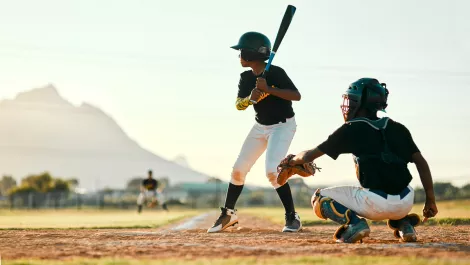
SAS has created The Batting Lab, an interactive experience using AI, computer vision and IoT analytics to help kids improve their baseball and softball swings.
Ulisse is launching the only radar and computer vision-based IoT AI platform to help retailers, businesses, cities, and more turn areas into intelligent spaces.
GlobalData reports that the global computer vision market will continue to head upwards, even in the face of fears around facial recognition.
WorkSafe New Zealand has opted for a binding safety deal after a truck driver was killed in a landfill incident, avoiding prosecution.
RUSH, the leading technology and design studio in New Zealand, appoints Tim Packer as Wellington General Manager for a new phase of growth.
The pilot of the computer vision system helps solve a key business issue for EnviroNZ at its resource recovery centre identifying health and safety risks.
Construction managers could gain real-time alerts and a full-site view as five firms trial AI tools to curb incidents and injuries.
Better visibility into inventories and provenance could help firms cut downtime, reduce errors and recover faster as demand rebounds.
Bridge checks could become cheaper and more consistent as Waterloo researchers use autonomous robots, cameras and lidar to spot defects.
Recycling plants are cutting contamination and costs as nearly 100 AI-powered machines take over the tedious sorting humans often get wrong.
Grid operators face mounting strain as battery electric vehicle demand is forecast to lift installed base above 100 million by 2029.
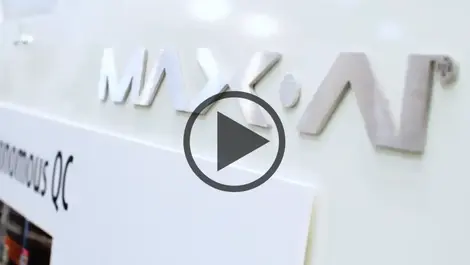
Material Recycling Facilities could boost sorting accuracy as BHS’s Max AI system uses robotics to tackle waste streams more efficiently.
Researchers say the technology could triage disaster victims and monitor patients remotely, without touching them, in seconds.
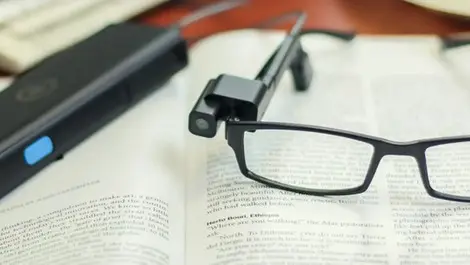
A wearable device could help thousands with sight loss or dyslexia read text aloud and work more independently without Wi-Fi or a smartphone.
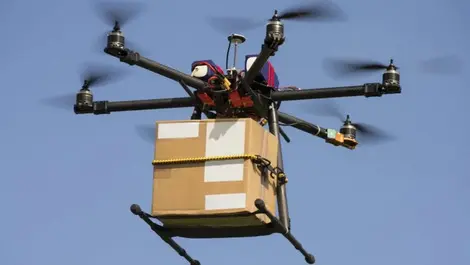
The technology could help rescuers triage casualties remotely, after UniSA scientists showed drones can read heart and breathing rates from three metres away.
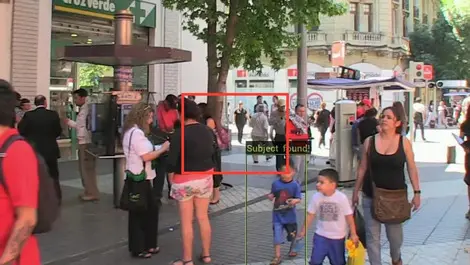
Police could find missing children and suspects faster as the companies prototype AI cameras that learn on the device in real time.
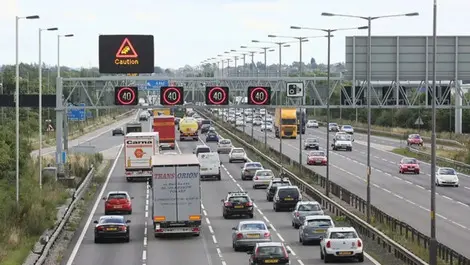
The new system could help self-driving cars mix safely with human drivers on busy roads, a key step towards smart traffic by 2030.



.webp)