Emergency Communications stories
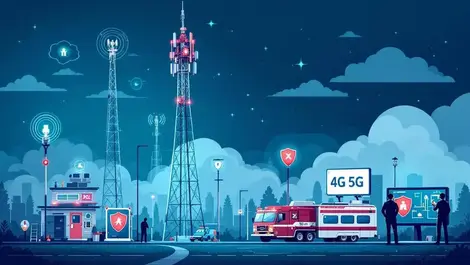
Broader supplier chains and open standards are leaving mission-critical broadband networks more exposed as operators move to 4G and 5G.
Rising piracy is pushing shipowners to upgrade emergency links, as the new system keeps crews in citadels connected to rescuers and operators.
Contrivian launches Constellation, a single LEO satellite service unifying Starlink, Amazon Leo and others for uninterrupted connectivity.
Contrivian to resell Amazon Leo LEO satellite services for resilient US government networks, blending space links with fibre and 5G.
Radisys and AccelerComm add NB-IoT to their 5G satellite stack, letting operators serve low-power IoT and broadband over shared spectrum.
Satellite Connect Europe signs five-operator pact to trial direct-to-device satellite mobile broadband across Europe from summer 2026.
Satellite Connect Europe launches MNO-first direct-to-device satellite network, offering EU-based access to AST SpaceMobile's LEO system.
Customers in storm-hit areas could still text if mobile coverage fails, as One NZ prepares satellite backup ahead of Cyclone Vaianu.
A new satellite link could keep mobile service alive in remote Irish areas and during outages, using ordinary smartphones without special kit.
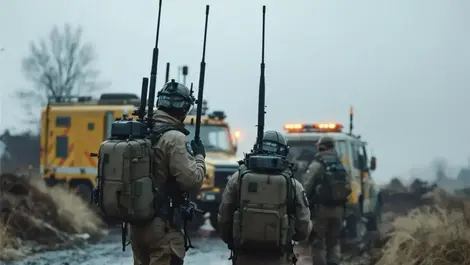
Deployable 4G and 5G kits for defence and emergency teams are set to shrink as Apeiroon adopts RANsemi's RNS802 chip.
The move gives the French supplier a bigger role in standards work for mission-critical audio, from broadcast to public safety and transport.
One NZ has switched off its 2G and 3G networks nationwide, freeing spectrum for faster 4G and 5G and leaving holdouts needing new phones.
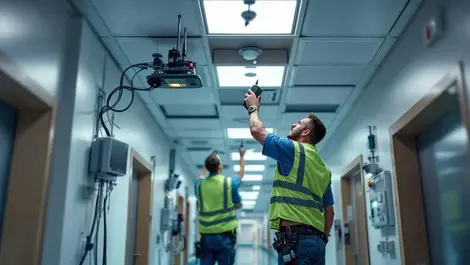
Wilson Connectivity secures ISED approval for its Zinwave 8000 DAS and full BDA range, unlocking immediate indoor deployments in Canada.
Norfolk, Suffolk and Hertfordshire fire services now share a cloud-based control hub to boost cross-border response and resilience.
NHS telecoms overhaul exposes hidden legacy risks as PSTN retirement and pandemic pressures force trusts to confront fragile systems.
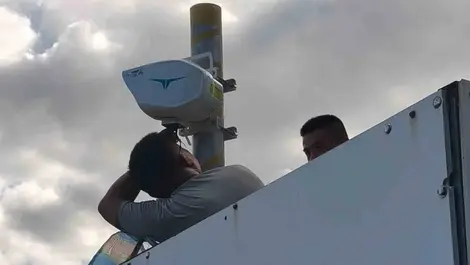
Taiwan Mobile restores typhoon-hit services in Hualien within days, using a 1.25km laser link to bypass a collapsed river bridge.
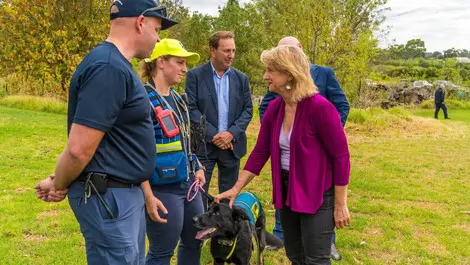
Victorian volunteer rescue dogs gain direct radio links to emergency services, boosting coordination and safety in remote bushland searches.
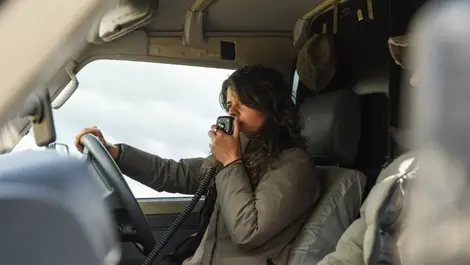
GME launches next-gen XRS UHF CB radios in Australia with GPS, Bluetooth audio, noise reduction and rugged design.
Interoperability gaps can leave public-safety and critical-infrastructure networks exposed unless policy, funding and governance keep systems aligned.
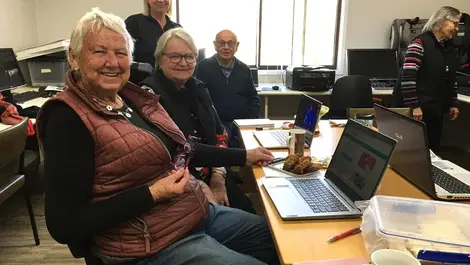
Rural and remote community groups can now apply for digital grants of up to AUD $10,000, with AUD $200,000 available nationwide.