Water infrastructure stories
A USD $1 billion push will widen subsidised access to AI cyber tools for utilities, local governments and banks with thin security teams.
The move aims to cut redesigns and labour pressure on major European builds by getting pipe-joining decisions made up to 18 months earlier.
The funding could help cut water-treatment costs and emissions, after trials recovered 90% of spent chemicals at 95% purity.
Ratepayers could face a NZD $141,388 repair bill as Hauraki council moves to bring three water plants up to code.
Residents across Wairarapa and Tararua are set to gain safer, more reliable water services as Waitī Waters prepares for a July launch.
Households could face higher bills unless new water entities lift delivery from councils' 60 to 80 per cent record and prove their costs.
About a quarter of the Rakaia rollout cannot yet report readings, leaving Ashburton District Council unable to rely on the system for wider use.
Rural households in Tasman face higher bills as new national rules force long-delayed water upgrades to protect drinking safety.
The documentary's global rollout will take its account of cyber attacks on vital services to more than 30 cities, including Sydney.
The deal extends AtkinsRéalis and Arup's role in one of Hong Kong's largest urban expansion schemes, covering housing and transport works.
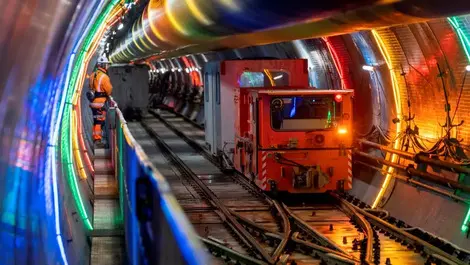
Auckland's $1.6 billion wastewater tunnel has been recognised for cutting overflows and boosting resilience, as contractors were honoured nationwide.
Unrecorded sections of Southland's water network are complicating planning, as councillors were told the council still has pipes it cannot locate.
Water losses in Masterton have been cut to 15% as better meter data helps the council spot hidden leaks and prompt repairs.
Utilities facing higher costs and tighter supplies may soon recover treatment chemicals from wastewater, after the startup secured new backing for pilots.
Boil notices remain in place while testing continues, though Ohakune's water supply has been restored and the emergency is easing.
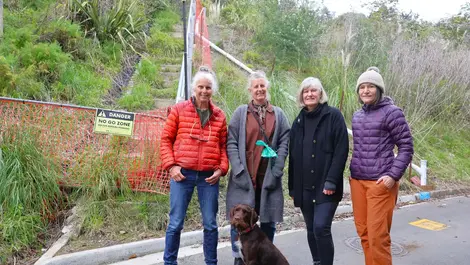
Residents welcomed approval for a basic rebuild of Days Track, though council staff warn storms will likely damage it again.
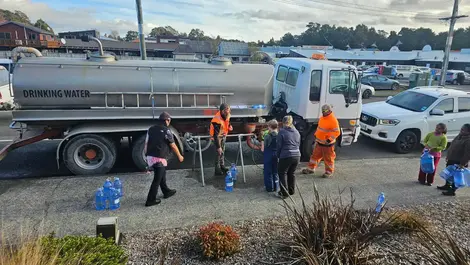
Residents were warned too late as Ohakune's reservoir emptied, leaving businesses and households without water on a busy winter weekend.
Ten years on, the outbreak still shapes drinking-water rules after contaminated taps sickened more than 5,500 people and killed four.
Students in Years 12 and 13 will gain school qualifications tied to jobs and training as the government seeks to ease skills shortages.
As climate shocks intensify, cities can cut outages and delays by linking water, power and transport into one view.