


DroneShield has secured a potential US$500 million contract with the US Department of Defence's Joint Interagency Task Force 401. The agreement runs for three years.
The contract is an Indefinite Delivery, Indefinite Quantity arrangement under JIATF-401's Domestic Shield initiative, which aims to speed the deployment of counter-drone systems across the United States.
Under the deal, the Australian-listed company can supply up to US$500 million, about A$716 million, of counter-unmanned aircraft technology. The award creates a procurement pathway for systems intended to protect defence infrastructure and other priority sites.
JIATF-401 is part of a broader US effort to streamline counter-drone procurement and deployment as concerns grow over the use of small unmanned aircraft systems near military bases and critical assets. The task force is using industry contracts to shorten the time between identifying a need and delivering equipment to operators.
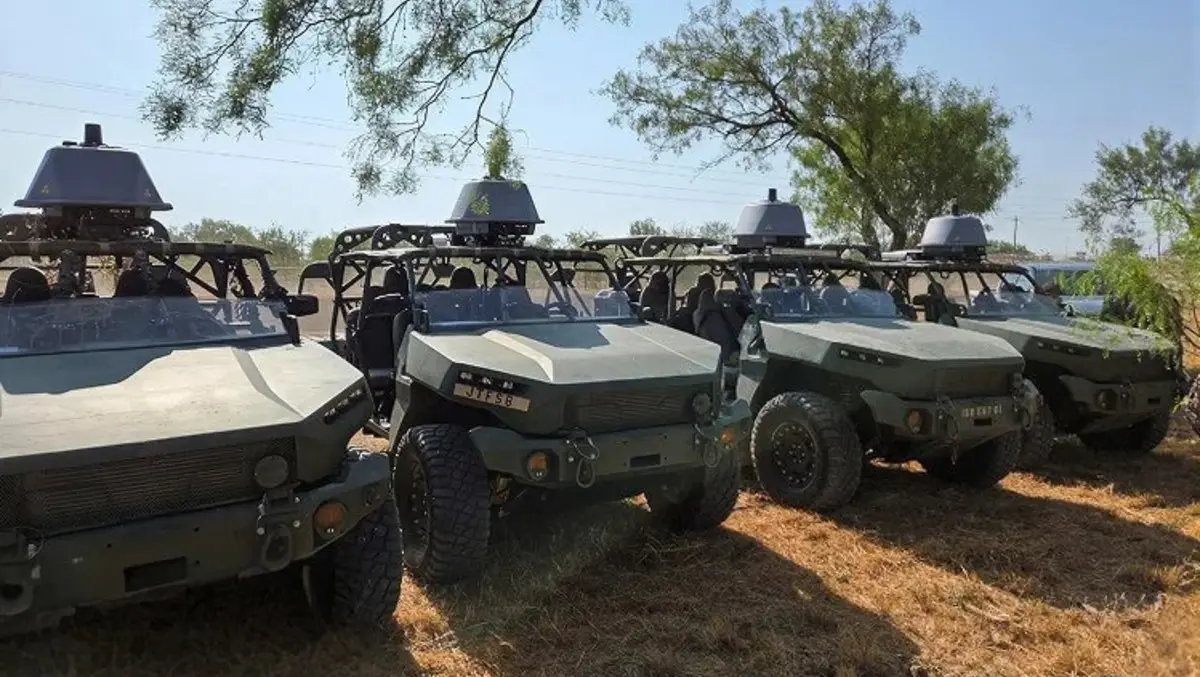
The award adds to DroneShield's existing work with JIATF-401 and broader US counter-drone programs. It has previously supplied DroneSentry-X Mk2 systems for mobile operations supporting JIATF-401 requirements, including installations that have already been accepted.
DroneShield's systems are also listed on the JIATF-401 Counter-UAS Marketplace, a mechanism designed to give government users faster access to approved technologies.
Domestic Shield
Domestic Shield is intended to expand protection against small drones at military installations, critical infrastructure, and other high-priority locations. The initiative reflects growing concern in defence and homeland security circles that commercially available unmanned aircraft can be adapted for surveillance, disruption, or attack.
DroneShield's product range covers dismounted, mobile, and fixed-site uses. Its offering includes radio frequency sensing, electronic countermeasures, command-and-control software, artificial intelligence, and multi-sensor integration.
Its systems can be used on their own or combined with third-party sensors and effectors, giving defence and government customers flexibility in building layered counter-drone networks.
The contract does not guarantee the full US$500 million will be spent. IDIQ contracts set a ceiling value and allow orders to be placed as operational needs arise over the life of the agreement.
That structure is common in US defence procurement when agencies want to move quickly while retaining flexibility over timing, quantities, and deployment needs. For suppliers, such awards can provide a route to repeat orders without requiring a new tender process each time.
For DroneShield, the award marks another step in its push into the US defence market, a key battleground for counter-drone suppliers as the Pentagon and homeland security agencies seek ways to respond to low-cost aerial threats.
The company is headquartered in Australia and also operates in the United States and the Netherlands. It focuses on technology for military, government, law enforcement, and critical infrastructure users.
Award notices of this size can raise a contractor's profile even when spending under the vehicle remains uncertain, because they place the supplier within a pre-approved purchasing framework. Material orders placed under the agreement are expected to be disclosed as they are awarded.
"Defending against small UAS threats is an immediate homeland defence requirement, and rapidly fielding proven technology is critical to the mission," said Nate Webb, Director of Strategic Partnerships at DroneShield.
"DroneShield continues to field proven capabilities while investing in next-generation technology designed to evolve with the threat. This award provides a streamlined pathway to deliver those capabilities to end users who need them," Webb said.
JIATF-401 described the arrangement as part of a broader push to match systems to specific operating needs and move them into service quickly.
"JIATF-401 is continuously working with industry partners to provide the counter-UAS capabilities needed to protect warfighters and installations," said U.S. Army Brig. Gen. Matt Ross, Director of JIATF-401.
"Our approach allows us to identify the right capabilities for specific operational requirements and rapidly deliver those capabilities to the warfighter," Ross said.