


AskNicely launches Reputation Manager for service chains
Wed, 29th Apr 2026
AskNicely has launched Reputation Manager, adding reputation management to its customer experience software.
Designed for multi-location service businesses, the product brings survey feedback, online reviews, and listing data into a single system. It is intended to help brands generate more reviews, respond to customers across multiple review sites, and connect sentiment data to visibility and revenue.
Service businesses often collect feedback through surveys, Google reviews, social media, and frontline staff, but these sources are typically managed in separate systems. As a result, managers may have to work across dashboards, spreadsheets and multiple tools, making it harder to spot problems quickly or link customer sentiment to local performance.
AskNicely is targeting operators with dozens or hundreds of locations in sectors including healthcare, home services, legal and financial services. In those markets, online reputation can influence search rankings, customer choice, and the cost of winning and retaining business.
Why it matters
AskNicely cited data showing that positive reviews can reduce customer acquisition costs by up to 18%, while Google reviews account for about 15.4% of a business's search engine ranking. Businesses with strong online reputations also see an average 25% increase in customer retention, according to the company.
That commercial link has pushed reputation management beyond marketing teams and into day-to-day operations, especially for brands that rely on local branches. Separate workflows for surveys, reviews and listings can leave customer-facing teams reacting only after complaints become public, rather than addressing issues earlier.
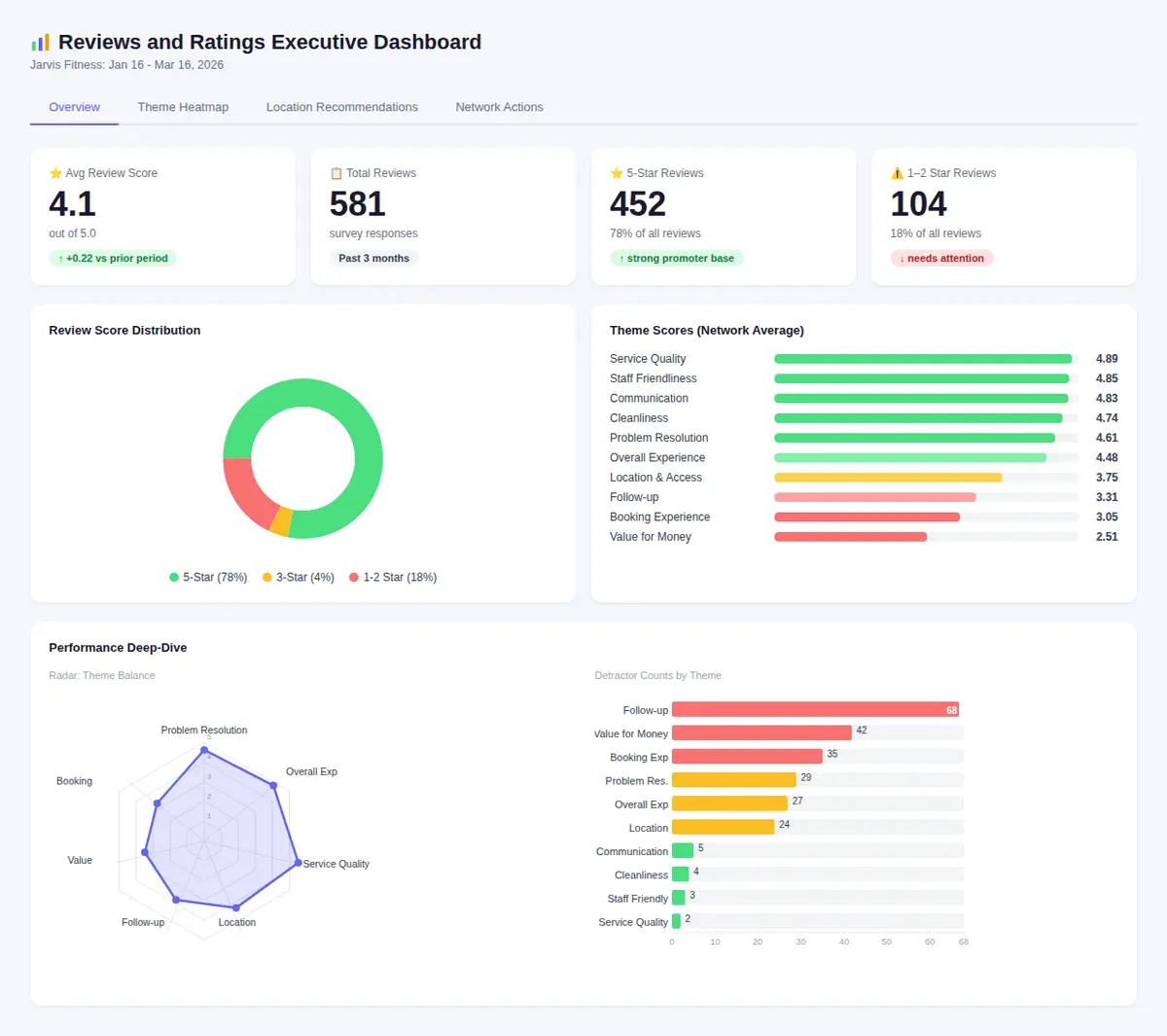
Reputation Manager is intended to close that gap by combining private survey responses with public review data. The software is designed to help businesses identify issues earlier, prompt customers to leave reviews, and take action at the branch level.
"There's no shortage of customer data - the real challenge is acting on it before it shows up as a one-star review," said Tony Ward, chief executive officer of AskNicely.
"Reputation Manager helps teams get ahead of the problem - capturing feedback proactively through smart surveys, using NiceAI to pinpoint issues at the branch or employee level, and connecting that insight directly to their online reputation. It gives teams a simple way to see what matters, respond quickly, and fix issues at the source - helping to improve experiences, lift ratings and attract more customers at a lower cost," Ward said.
Operational focus
According to AskNicely, the product helps businesses increase review volume by prompting customers at specific moments, monitoring performance across hundreds of review platforms, and managing responses from a single place. It also aims to link survey findings to public reviews, enabling operators to identify patterns and underlying causes.
For chains with a large physical footprint, that local view is central to how reputation affects trade. A drop in ratings at one branch can hurt online discovery and conversion in that area, even if the broader brand remains strong.
The launch expands AskNicely's strategy of helping service businesses turn customer signals into operational action. By adding reputation management, the company now connects internal feedback with public-facing customer perception.
AskNicely said it is used by more than 1,000 service brands globally. Its software focuses on gathering customer sentiment in real time and giving frontline teams and managers information they can use to improve service and branch-level performance.
Ward described the launch as an effort to move companies away from managing reputation only after problems become visible online. He said customer interactions, rather than back-office monitoring alone, shape how businesses are judged in public channels.
"Reputation isn't something you manage after the fact, it's built in every customer interaction," Ward said. "The businesses that win are the ones that can spot issues early, fix them fast and amplify what they're doing well. When you connect feedback to frontline action, you don't just improve experience - you can drive real business results."